Clean and safe drinking water is essential for people undergoing cancer treatment. Chemotherapy, radiation therapy, and immunotherapy weaken the immune system, making patients highly vulnerable to infections. For low-income families—especially those living in rural or underserved areas—access to clean water is often limited, increasing the risk of dehydration, contamination, and treatment complications.
At Cancer Aid Brigade, we work to ensure that every patient has access to safe, purified, and contamination-free water, which is an important part of recovery and overall well-being.
✔ Providing Clean Drinking Water Supplies
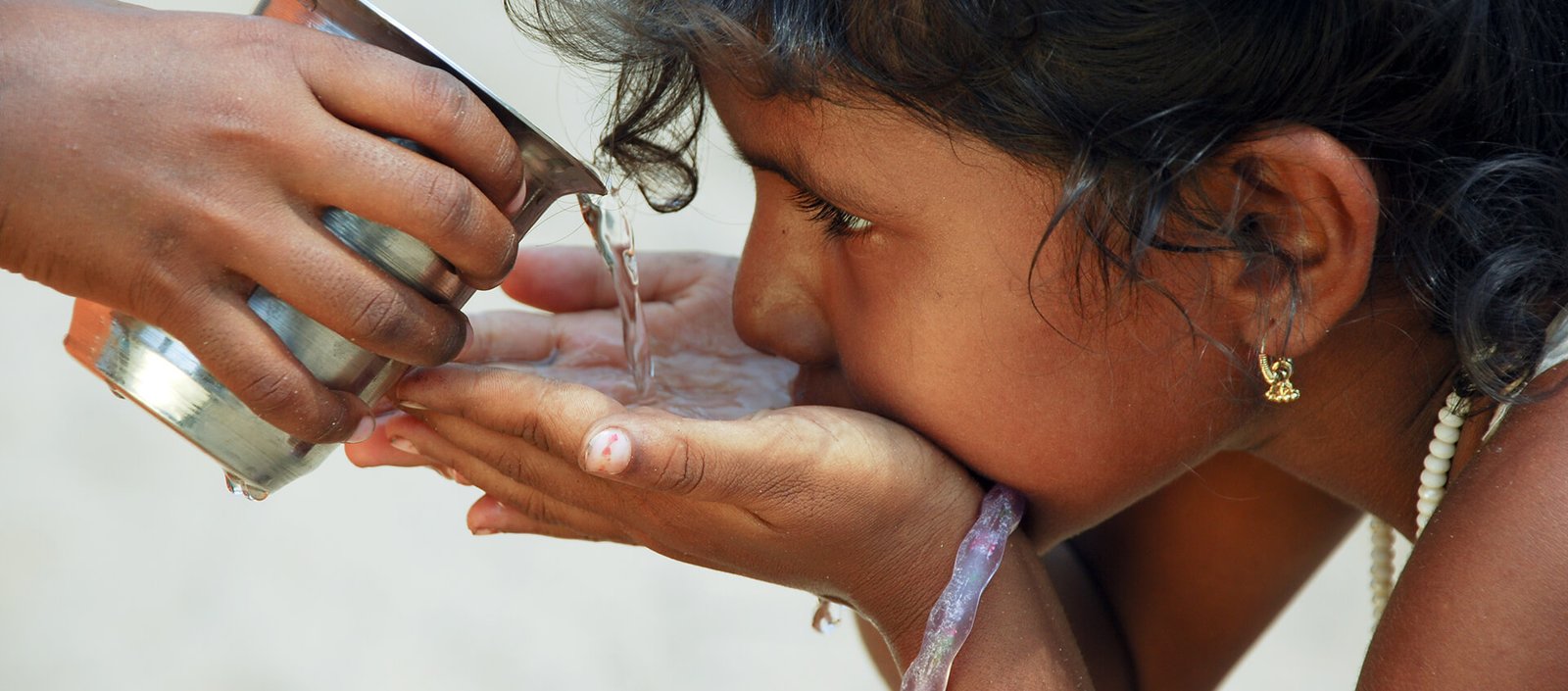
We distribute purified water, filtration bottles, and water-purifying tablets to cancer patients who cannot afford safe drinking sources.
✔ Installing Water Filtration Systems
In areas where contamination is high, we help install small-scale filtration systems to ensure families have access to safe water during treatment.
✔ Hydration Support During Treatment
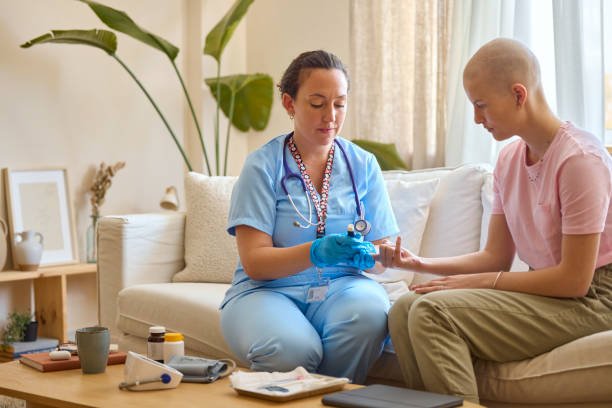
Treatments like chemotherapy can cause severe dehydration. We provide hydration packs, electrolyte mixtures, and supervised hydration plans for patients in need.
✔ Preventing Infection Risks
Contaminated water increases the chance of infections—which can delay treatment. Our clean-water initiatives reduce these risks and support a smoother recovery process.
✔ Awareness & Education
We run awareness programs teaching families the importance of hydration, water safety, and infection prevention.
Why Clean Water Matters
Safe water is not a luxury—it is a life-saving need for cancer patients. Lack of clean water often leads to:
-
weakened immunity
-
gastrointestinal infections
-
dehydration and treatment delays
-
increased hospital visits
-
higher treatment complications
Providing safe water is one of the simplest yet most powerful ways to support a cancer patient’s recovery.
How Your Support Helps
Your donation can help:
-
Install water filters in poor communities
-
Deliver drinking water to families in treatment
-
Provide safe water packs to vulnerable patients
-
Reduce infections and improve health outcomes
Even one clean-water kit can protect a patient throughout their treatment cycle.



Leave A Comment